
Italy builds some of the cars people most want to own, and buying one there raises a fair worry: Italian paperwork has a reputation, and nobody wants to pay for a car that turns out to have a debt or a hold attached to it. Most of that worry comes down to asking the seller for the right documents, in the right order. This guide lists them.
- Transit time
- Usually 1 to 4 weeks
- Usual method
- By road, or road to a port
- Import tax
- 20% VAT, no duty if EU or UK-built
- Price
- Priced per job
Getting the car out of Italy
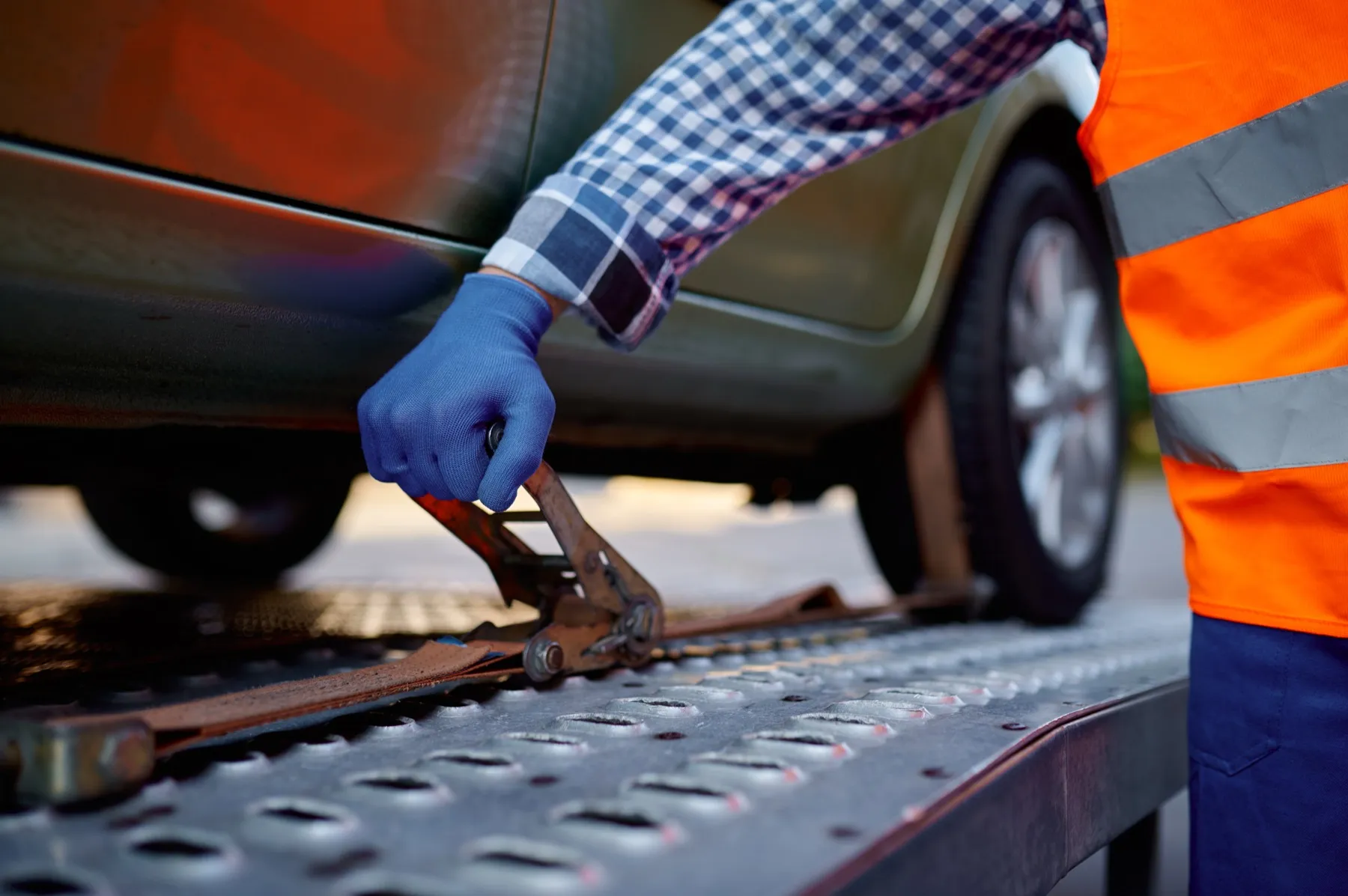
There are two main ways. The car can travel the whole way on a car transporter, or go by road to a port and continue by RoRo or container. Our own enclosed multi-car transporter runs regularly across the EU, which suits a valuable car that should stay out of the weather.
Door to door, the move usually falls within 1 to 4 weeks, depending on where in Italy the car is and how it travels. Your quote gives the timing for your car, and our guide to container, RoRo or air compares the sea options.
Italian paperwork, in plain English
Italian cars come with more named documents than most. These are the ones to ask the seller for before any money changes hands:
Your Italy paperwork
0 of 7 done
The Visura PRA
This is the one buyers forget. A Visura PRA shows whether the car has finance or a lien against it (an ipoteca) or an administrative hold (a fermo amministrativo). Either can stop a sale going through, so get the check before you pay, not after. Our guide to buying a car abroad safely has more on protecting yourself.
Deregistering for export
Italy requires a car to be deregistered for export through the PRA before it leaves, a step called the radiazione per esportazione. Agree with the seller who is doing it and when, so the car is ready on the day we collect.
Missing a document? It is not usually the end of it. Missing paperwork can usually be sourced, including Certificates of Conformity and dating evidence for older cars. Tell us what you have and we will tell you what is still needed.
Import tax from Italy
A car bought in Italy pays 20% import VAT on the purchase price plus transport. There is no duty if it was built in the EU or UK, so an Italian-built Ferrari or Lamborghini comes in on VAT alone. A car built outside the EU pays 10% duty as well, even if it was sold in Italy.
VAT is worked out from the purchase invoice, or a recent valuation if the invoice is more than 3 months old. A car over 30 years old pays 5% VAT and no duty, which applies to plenty of classic Italian metal.
Moving to the UK after more than 12 months abroad, with a car you have owned for more than 6? Transfer of Residence can make it tax and duty free, with evidence of both. A formerly UK-registered car may come back tax free with its UK purchase invoice and old V5C. As HMRC CDS authorised agents, we raise and submit the customs declaration ourselves.
What Italian cars need for the UK
Italian cars are left-hand drive and set up for driving on the right. The usual changes are:
- Headlights adjusted or replaced for driving on the left
- A speedometer that displays mph
- The rear fog light repositioned, if it is not already compliant
On cars over 10 years old the main change is generally the rear fog light. Our guide to speedometer and headlight conversions explains the work, and left-hand drive cars in the UK covers living with one.
CoC, IVA or MOT
| Feature | Usual route |
|---|---|
| Under 10, with a CoC | Certificate of Conformity, no IVA test |
| Under 10, no CoC | IVA test on our own lane |
| 10 to 40 years old | MOT, plus the changes above |
| Over 40 years old | No MOT needed |
A Certificate of Conformity can keep a newer Italian car out of an IVA test, and we can source one if it is missing. Without one, the car takes an IVA test. Shipping a Car is part of My Car Import, and we run one of only seven privately operated IVA centres in Great Britain, testing weekly on site.
A car over 40 years old needs no MOT and can be delivered to your UK address before it is registered. Our dealer-level DVLA account lets us register imported cars within 10 working days, and if the work is already done, we can register the car remotely.
The cars that come from Italy
Popular Italian imports range from everyday to exotic: Fiat 500s and Pandas, Alfa Romeo Giulias and Stelvios, Maserati Ghiblis and Quattroportes, and at the top end Ferraris such as the 488 GTB and F8 Tributo and Lamborghini Huracáns and Aventadors.
Bikes too. Ducati Panigales and Multistradas come over from Italy, and our guide to importing a motorbike covers the bike side of things.
What it costs
Italy is priced per job. The location, the transport method, enclosed or open, and what the car needs here all change the figure. Our quotes are fully inclusive, built around what you ask us to do.
For what every EU route shares, see importing a car from Europe, or the Italy country page.
Questions people ask
How long does it take to bring a car from Italy to the UK?
Usually 1 to 4 weeks, depending on where the car is and whether it travels by road all the way or by road to a port and then by sea.
What documents do I need when buying a car in Italy?
The carta di circolazione, the certificato di proprietà, a signed atto di vendita, a Visura PRA, the purchase invoice, the CoC if there is one, and photos of the VIN and chassis plate.
What is a Visura PRA?
A check of the Italian public vehicle register. It shows whether the car has finance, a lien or an administrative hold against it, so get it before you pay.
Do I pay duty on an Italian car?
Not if it was built in the EU or UK. You pay 20% import VAT on the price plus transport. A car built outside the EU pays 10% duty as well, and a car over 30 years old pays 5% VAT and no duty.
Does an Italian car need an IVA test?
Not if it is under 10 years old and has a Certificate of Conformity. Without one, it takes an IVA test. Cars over 10 years old take an MOT instead.
Found the car in Italy? Send us the details on the quote form and we will price the whole job.
