
Slovakia sits right in the middle of Europe, a long way from the Channel, so it is easy to picture a complicated journey. It isn't. Slovakia is in the EU, the drive west is well trodden, and the paperwork on the Slovak side is short. The UK end, customs, conversion, testing and registration, is ours to deal with.
- Route
- By road, RoRo or container
- Price
- Priced per job
- Transit time
- Usually 1 to 4 weeks door to door
- Steering
- Left-hand drive
- Import tax
- 20% VAT, no duty if EU or UK-built
How the car gets here
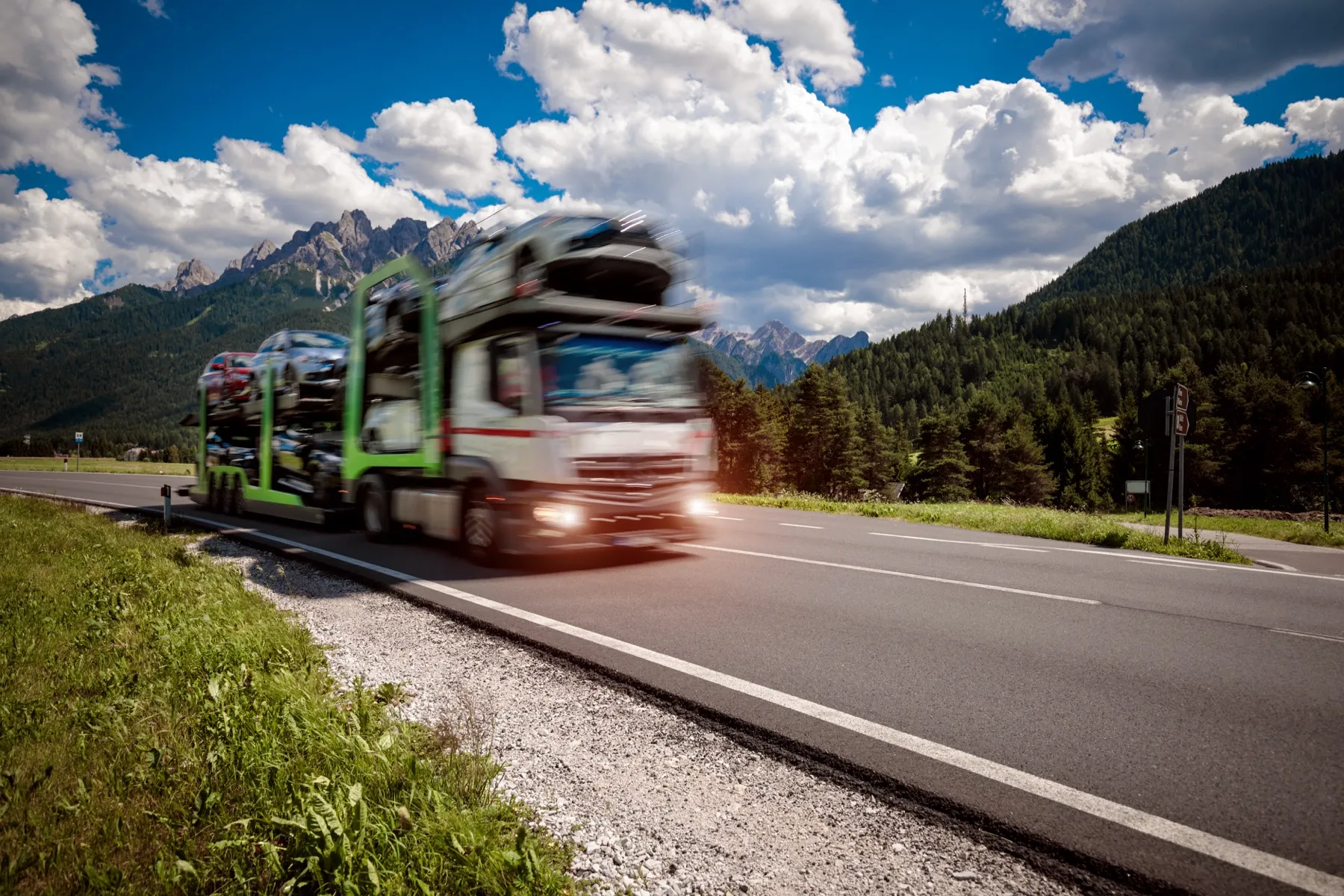
For most Slovak cars, road freight is the better option. A transporter collects from your address and heads west to a Channel crossing, and the drive itself usually takes 2 to 4 days. Distance, border checks and the type of transporter all move that.
Sea freight is there if it suits the car or the job better. RoRo usually takes 4 to 8 days and a container around 1 to 2 weeks, with a few days either side for the trip to the port and the paperwork. Door to door, European moves usually take 1 to 4 weeks. Our guide to container, RoRo or air sets out the trade-offs.
If the car is full of belongings, say so when you ask for a quote. Moving a car with a lot inside it can change how we transport it, and our guide to personal belongings in a shipped car covers what is sensible to pack.
Taking the car off the Slovak register
In Slovakia, vehicle registration is handled by the traffic inspectorate (dopravný inšpektorát). The owner, the keeper or someone they authorise can ask for a car to be taken off the register at any inspectorate, or through the government's electronic service.
The exact documents for a car leaving the country can change, so check them with the inspectorate before the car goes. If you are buying privately, agree with the seller who handles it and when. Plenty of sellers want proof that the car has been registered elsewhere before they close their side, and we can send a copy of the UK registration once it is through.
Import tax from Slovakia
Slovakia is in the EU, so a car coming from there pays 20% import VAT. There is no duty if the car was built in the EU or the UK. VAT is worked out on the price you paid plus the cost of transport, or on a recent valuation if the invoice is more than 3 months old.
Where the car was built is what counts, not where it was bought. A Slovak-registered car built in Japan, Korea or the US would pay 10% duty on top. A car over 30 years old pays 5% VAT and no duty. The import tax calculator gives a quick figure, and the worked examples show the sums in pounds.
Moving to the UK
If you have lived in Slovakia for more than 12 months and owned the car for more than 6, Transfer of Residence means no import tax at all. Apply to HMRC before the car moves, and the approval reference goes on the customs declaration. A car that was UK-registered before may come back tax free with its UK purchase invoice and a copy of the old V5C, as our guide to bringing a UK car back home explains.
Customs and NOVA
We clear the car through UK customs ourselves as HMRC CDS authorised agents. HMRC also has to be told within 14 days that the car has arrived, through the Notification of Vehicle Arrivals (NOVA). The DVLA will not register the car without it, so we submit it as part of clearance. Our NOVA guide has the detail.
Making it UK road legal
Slovak cars are left-hand drive and set up for driving on the right. The usual changes are:
- Headlights adjusted or replaced so they do not dazzle oncoming traffic on the left
- A speedometer reading in mph
- A rear fog light where the car's own one is not compliant
All of that is done on our own site. See speedometer and headlight conversions for how, and left-hand drive cars in the UK for what it is like to live with one.
Testing and registration
- Under 10 years old: a Certificate of Conformity for an EU-built car, or an IVA test
- Over 10 years old: an MOT, with changes generally coming down to the rear fog light
- Over 40 years old: no MOT needed, and the car can be delivered before registration
We run one of only seven privately operated IVA centres in Great Britain and test on site every week, so there is no waiting months for a government slot. Our Certificate of Conformity guide explains when a CoC is enough. Once the car is ready, our dealer-level DVLA account lets us register imported cars within 10 working days.
-
Before it moves
Quote and paperwork
We price the route, check where the car was built and set up any Transfer of Residence application.
-
2 to 4 days by road
Out of Slovakia
The car is collected from your address and driven west on a transporter, or goes by sea if that suits it better.
-
Arrival
Customs and NOVA
We clear the car through UK customs and tell HMRC it has arrived.
-
At our site
Conversion and test
Headlights, speedometer and fog light are sorted, then the car takes its IVA test, CoC route or MOT.
-
Within 10 working days
Registration
We register the car with the DVLA and fit your UK plates. Any Slovak paperwork still open can then be closed.
Your Slovakia paperwork
0 of 6 done
What it costs
We do not publish a guide price for Slovakia, because European routes are priced per job. Where the car is, whether it goes by road or sea and what it needs at this end all move the figure. The estimator covers the tax side, and our Europe guide gives the wider picture.
If you are looking at cars elsewhere in the region, our guides to the Czech Republic, Hungary and Austria cover the neighbours.
Questions people ask
Do I pay import tax on a car from Slovakia?
Usually 20% import VAT, with no duty if the car was built in the EU or UK. A car built elsewhere pays 10% duty too. Cars over 30 years old pay 5% VAT, and Transfer of Residence can make it tax free if you are moving here.
How long does it take to bring a car from Slovakia?
By road the drive is usually 2 to 4 days. RoRo usually takes 4 to 8 days and a container 1 to 2 weeks. Door to door, allowing for collection and customs, European moves usually take 1 to 4 weeks.
Who deregisters the car in Slovakia?
The owner, the keeper or someone they authorise, at a traffic inspectorate (dopravný inšpektorát) or through the electronic service. Check the documents with the inspectorate before the car leaves.
Does a Slovak car need an IVA test?
An EU-built car under 10 years old can often use a Certificate of Conformity instead. Otherwise it takes an IVA test, which we run on site. Over 10 years old it needs an MOT, and over 40 years old no MOT.
Is it better to send the car by road or by sea?
For most Slovak cars, road freight. It is quicker and the car comes straight to us. Sea freight can suit some cars and locations, and we will recommend one when we quote.
Send us the car's details on the quote form and we will price the whole job.
