
Estonia, Latvia and Lithuania feel a long way off, and with three different registers people worry about getting the local step wrong. The journey is the same road south for all three, and the UK side is identical. What changes is one office visit before the car leaves, and this guide sets out each country's version.
- Usual method
- Road transport, ferry or container
- Price
- Priced per job
- Transit time
- Usually 1 to 4 weeks door to door
- Import tax
- 20% VAT, no duty if EU or UK-built
How the car gets here
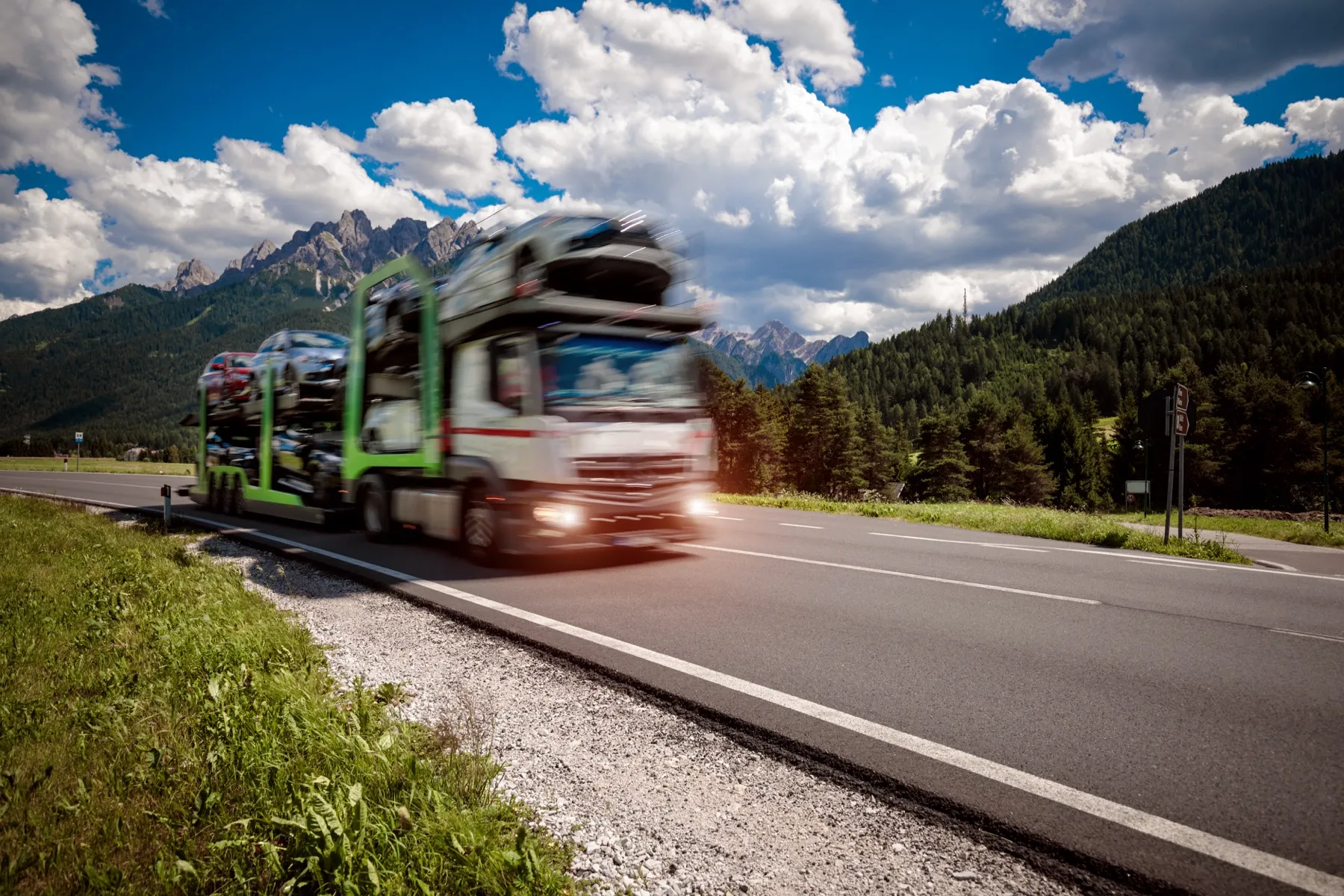
We can collect from your address in any of the three countries and bring the car over by road. From Tallinn the route runs down through Riga, past Lithuania and along through Poland and Germany to the Channel, then across to Dover. Cars from Riga and Vilnius join the same line further south.
If you would rather drive it over yourself, we clear it through UK customs once you land. Door to door, European moves usually take 1 to 4 weeks once collection and customs are allowed for.
The local step, country by country
| Feature | Estonia | Latvia | Lithuania |
|---|---|---|---|
| Register kept by | Transpordiamet | CSDD | Regitra |
| Plates | Returned to a service bureau | Destroyed by CSDD | Ask Regitra |
| Registration certificate | Removal entry made, given back to you | Returned to you | Ask Regitra |
| Driving it out | Transit plate, up to 30 days | Transit plates needed | Ask Regitra |
Estonia: Transpordiamet
The Estonian Transport Administration, Transpordiamet, removes a vehicle from the traffic register when it is taken abroad, for example because the owner is settling in another country. The registration plate goes back to a Transpordiamet service bureau.
A removal entry is made on the registration certificate, or on part A if the certificate has two parts, and it is handed back to you. Transpordiamet says this is the document you use to register the car abroad, and the bureau keeps part B. If you want to drive the car out, you can apply for a transit plate valid for up to 30 days, for a state fee.
Latvia: CSDD
In Latvia, a car going abroad for registration must first be deregistered for export with the CSDD, the Road Traffic Safety Directorate. You bring the registration certificate, the Latvian plates and your passport or ID. CSDD destroys the plates and returns the certificate to you.
Because the UK is outside the EU, CSDD writes a note on the certificate saying the car has been deregistered for export from Latvia. To use the car on the road after that, you need transit plates. A car cannot be deregistered for export within 5 days of its first registration in Latvia.
Lithuania: Regitra
Regitra, the state enterprise behind the Lithuanian vehicle register, handles deregistration. Ask Regitra what applies to a car going permanently to the UK before you book transport.
If you are buying from a Lithuanian seller, Regitra has a set process for sales to foreign residents. You declare the purchase, the seller confirms the details within 5 working days, and the car is then deregistered for export.
Keep the certificate that comes back. In Estonia and Latvia the authority hands the registration certificate back to you after deregistration. We need it to register the car in the UK, so keep it with the car.
Import tax from the Baltic states
All three countries are in the EU, so a car from any of them usually pays 20% import VAT on the price plus transport. There is no duty if it was built in the EU or UK, and 10% duty on top if it was built elsewhere. Duty follows where the car was made, not where it was registered.
A car over 30 years old pays 5% VAT and no duty. If the invoice is more than 3 months old, a recent valuation is used. The import tax calculator gives a rough figure.
If you have lived outside the UK for over 12 months and owned the car for over 6, you may import it tax and duty free under Transfer of Residence, through an HMRC application. A car that was UK-registered before may come back tax free with its UK purchase invoice and old V5C; see bringing a UK car back home.
Customs and NOVA
We clear the car through UK customs ourselves as HMRC CDS authorised agents. HMRC must be told within 14 days that it has arrived, through the Notification of Vehicle Arrivals (NOVA), and the DVLA will not register the car without it. We file it as part of clearance.
Changes for UK roads
Baltic cars are left-hand drive and set up for driving on the right. Before registration, the headlight beam pattern needs correcting, the speedometer has to read in mph, and a rear fog light may need adding. On cars over 10 years old the work usually comes down to the fog light.
We do this on our own site. See speedometer and headlight conversions and left-hand drive cars in the UK.
Testing and registration
For an EU-built car under 10 years old, the usual route is a Certificate of Conformity, which we can source if it is missing. Without one, the car takes an IVA test. Cars over 10 years old take an MOT, and cars over 40 need no MOT and can be delivered to your UK address before registration.
We run one of only seven privately operated IVA centres in Great Britain and test on site every week. Our dealer-level DVLA account lets us register imported cars within 10 working days, and most EU cars already in the UK can be registered remotely.
Your Baltic paperwork
0 of 6 done
What it costs
All three countries are priced per job. Where the car is, how it travels and what it needs here all change the figure. The estimator covers the tax side, and the shipping costs page explains what goes into a price.
For more, see importing a car from Europe, or the Estonia, Latvia and Lithuania country pages.
Questions people ask
How long does it take to bring a car from the Baltic states?
Door to door, European moves usually take 1 to 4 weeks, depending on collection, the road journey and customs.
How do I take an Estonian car off the register?
Transpordiamet removes it when it is taken abroad. You return the plate to a service bureau, and the registration certificate comes back with a removal entry, which is what you use to register it abroad.
Do I deregister a Latvian car before it leaves?
Yes. CSDD deregisters it for export, destroys the plates and returns the certificate. You need transit plates to drive it after that.
Who handles deregistration in Lithuania?
Regitra, which keeps the Lithuanian vehicle register. Ask Regitra what applies before the car leaves. Sales to foreign residents follow a set Regitra process.
Do I pay import tax on a car from Estonia, Latvia or Lithuania?
Usually 20% import VAT on the price plus transport, with no duty if it was built in the EU or UK. Transfer of Residence can make it tax and duty free if you are moving here.
Bringing a car over from the Baltic states? Send us the details on the quote form.
